
Hair Care & Aftercare · September 28, 2026
Fulani vs. Ghana vs. Lemonade Braids: What's the Difference?
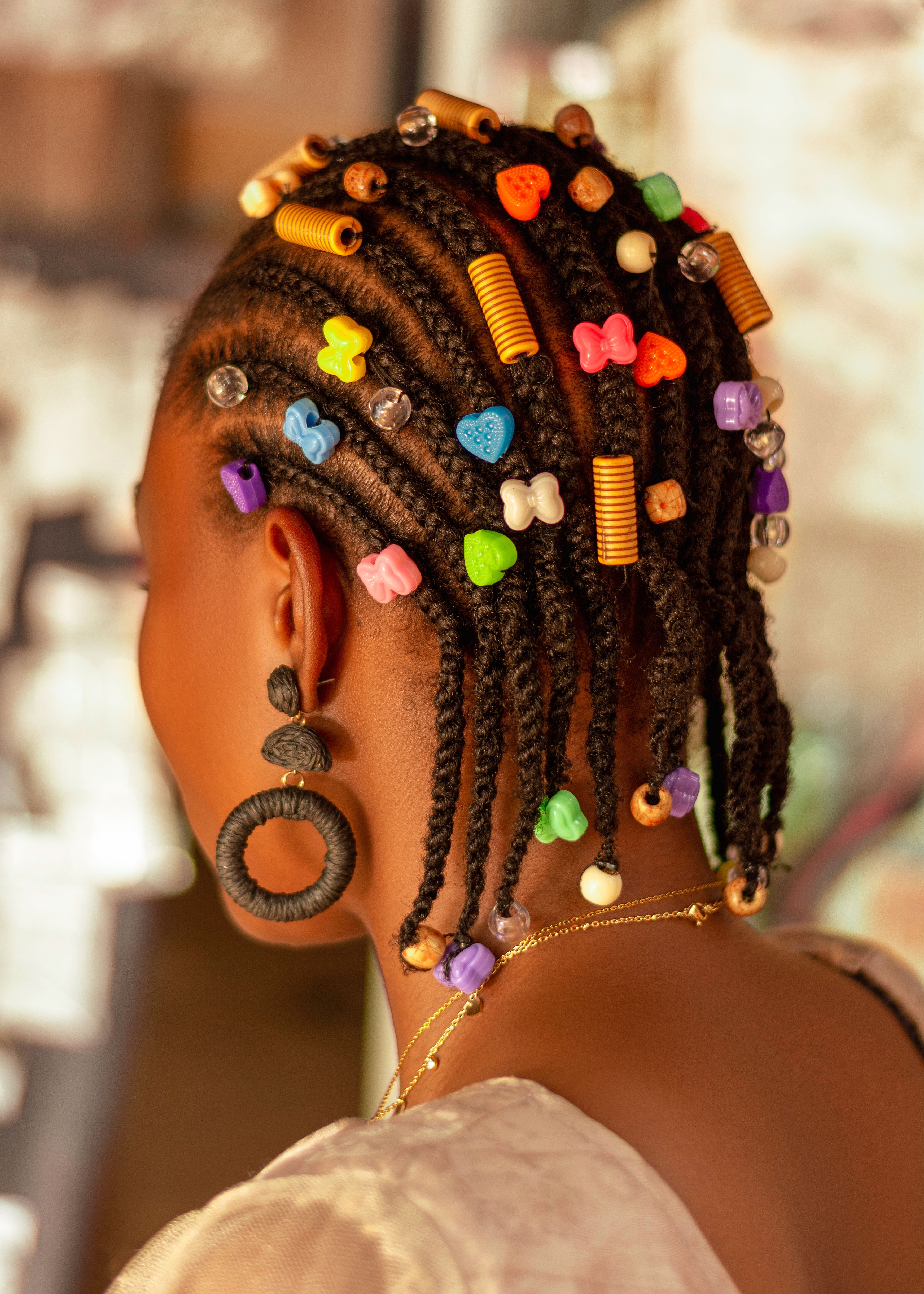
Fulani braids, Ghana braids, and Lemonade braids get lumped together constantly, and it is easy to see why. All three use cornrows as a base, all three can be styled with extensions, and all three show up in the same Pinterest boards and search results. But they come from different traditions, use different techniques, and are not interchangeable names for the same style. This guide breaks down what actually separates them, so you can book the one that matches what you have in mind, and understand a little more about where each style comes from.
Where Fulani Braids Come From
Fulani braids take their name from the Fulani people, a historically nomadic ethnic group spread across West Africa. According to a documented overview of the style's origins, braiding within Fulani tradition has long served a purpose beyond decoration, communicating identity, heritage, and social standing within the community. Traditional Fulani styles are often adorned with beads, cowrie shells, and similar ornaments representing beauty, wealth, and cultural pride, and one of the style's identifying features is multiple long braided strands positioned on each side of the head, distinguishing it from related Senegalese braiding traditions.
At Ani Braids, Fulani braids combine cornrows along the part with individual braids styled around them, and can be customized with beads and accessories in the same spirit as the traditional style, giving you a look that references the technique's real roots rather than a generic approximation of it.
Where Ghana Braids Come From
Ghana braids are part of a much older lineage: cornrowing itself, a technique with deep roots across the African continent. Documented history of cornrows traces the practice back thousands of years, with early depictions of cornrowed hairstyles found in Stone Age paintings in the Tassili Plateau of the Sahara, dated as far back as roughly 3000 B.C. Across African cultures, cornrow patterns have carried meaning tied to religion, kinship, status, and age, not just personal style.
"Ghana braids" is the name commonly used in the United States and much of the diaspora for a specific cornrow technique: braids sectioned very close to the scalp using a feed-in method, where extension hair is added gradually as the braid progresses rather than all at once. This creates the sleek, flat-to-the-head look near the root that fans out toward the ends. At Ani Braids, Ghana braids are installed this way, using added extensions for length and volume while keeping that signature sleek finish along the scalp.
Where Lemonade Braids Come From
Lemonade braids have a more recent, specific origin story layered on top of a much older technique. The style takes its name from Beyoncé's 2016 visual album "Lemonade," where the side-swept braided look she wore in songs like "Sorry" and "Formation" became so recognizable it was named after the project itself. According to Essence's retrospective on the style, her longtime hairstylist Kim Kimble noted that braids had already been a major part of Beyoncé's look for years before Lemonade, going back to the micro-cornrows and pick-and-drop braids she wore as a member of Destiny's Child in the early 2000s.
It is worth being clear about what that means: Lemonade braids are not a style Beyoncé or her team invented from nothing. The side-swept cornrow technique itself draws on the same long African braiding tradition behind Ghana braids and Fulani styles. What "Lemonade braids" really describes is a specific side-swept styling and parting choice, applied to that existing technique, that became culturally iconic enough in 2016 to earn its own popular name. At Ani Braids, Lemonade Fulani braids blend that side-swept parting with traditional Fulani patterning, combining the two references directly in one style.

The Real Differences, Side by Side
Once you know where each style comes from, the practical differences make more sense.
Fulani braids are built around individual braids combined with cornrows, and are the style most associated with beads, cowrie shells, and other adornments as a core part of the look rather than an optional add-on. At Ani Braids, this style starts around $200, running up to $250 depending on length, size, and how much hair is added.
Ghana braids are pure cornrows from root to end, installed with the feed-in method for a sleek, flat finish along the scalp, without individual braids or heavy beading worked into the pattern. At Ani Braids, this style starts around $180, running up to $200 depending on length, size, and hair added.
Lemonade Fulani braids combine the side-swept parting popularized by the 2016 look with Fulani-style patterning, giving you a directional, asymmetrical finish rather than a centered or straight-back part. This is a flat rate style at Ani Braids, currently $200.
All three take about four hours to install, and all three are genuine protective styles when installed with proper tension and cared for the way any braided style should be.
These Are Living Traditions, Not Just Trends
It is worth pausing on something easy to lose in a side-by-side comparison like this one: Fulani braids and cornrows in general are not aesthetic trends that appeared out of nowhere. They come from real communities with real histories, some stretching back thousands of years, where hairstyle has carried meaning about who someone is, not just what they look like. Wearing these styles well means more than picking a name off a menu. It means understanding, even briefly, that the pattern on your head has a history that predates any of us by a long way, and treating that history with the respect it deserves rather than reducing it to a single word in a search bar.
That does not mean the styles are off limits or that you need a history degree before booking. It means a good studio should be able to talk you through where a style comes from if you ask, the way we have tried to do here, rather than only talking about how it looks.
Which One Should You Book
If you want a style built around beads and individual braided sections with real cultural weight behind the look, Fulani braids are the closer match. If you want the sleekest possible finish along your scalp with no individual braids mixed in, Ghana braids are the more accurate choice. If you specifically want that side-swept, directional parting popularized in 2016, paired with Fulani-style detail, Lemonade Fulani braids are built for exactly that.
None of these are better or more "authentic" than the others. They are different techniques with different histories, and the right one comes down to which finished look and which part of that history you actually want on your head.
Aftercare Differences Worth Knowing
The three styles share most of the same core aftercare, satin or silk protection at night, regular light scalp moisturizing, and avoiding overly tight tension at the root, but a few details shift depending on which one you choose. Fulani and Lemonade Fulani styles with beads need a little extra care to keep the beads secure and to clean gently around them without snagging your natural hair during wash days. Ghana braids, since they sit flatter and closer to the scalp with no individual braided sections mixed in, tend to show new growth at the part lines a bit sooner than a more textured style, so many clients find a slightly shorter wear window works best for keeping the sleek look intact.
Booking the Right Style for You
If you are still not sure which of these fits what you have in mind, that is a completely normal place to be before a first appointment, and a quick conversation with your stylist can settle it fast. Bring a reference photo if you have one, since the same style name can look different depending on braid size, part pattern, and how heavily beaded or embellished the finish is.
Ready to book? You can schedule your appointment online in a few minutes, and let us know which of these three styles you are leaning toward, or ask us to help you decide once we see your hair length and density in person.
Frequently Asked Questions
Are Fulani braids and Ghana braids the same thing?
No. Fulani braids combine cornrows with individual braided strands and are closely associated with beads and other adornments. Ghana braids are pure cornrows installed with a feed-in method for a sleek, flat finish, without individual braids mixed in.
Where does the name "Lemonade braids" actually come from?
It comes from the side-swept braided look Beyoncé wore in her 2016 visual album "Lemonade." The technique itself is a much older cornrow style; the side-swept parting and the pop culture moment are what earned it that specific name.
Which of the three styles is the most affordable?
At Ani Braids, Ghana braids currently start lowest at $180, followed by Fulani braids and Lemonade Fulani braids both starting around $200, with final pricing depending on length, size, and how much hair is added.
Can I combine elements of more than one style?
Yes. Lemonade Fulani braids are themselves a blend of the side-swept Lemonade parting and Fulani patterning, and your stylist can talk through other combinations based on what you have in mind.
How long do these styles typically last?
All three are protective styles that generally hold up well for four to eight weeks with proper care, similar to other braided styles, though your own hair growth rate and aftercare routine will affect the exact timeline.
Fulani, Ghana, and Lemonade braids each carry their own history and their own technique, even though they often get grouped together as one general look. Knowing the difference means you can book the style that actually matches what you want, and appreciate a little more of where it comes from while you are in the chair.