
Hair Care & Aftercare · September 4, 2026
How Long Do Knotless Braids Last? A Realistic Timeline and Aftercare Guide
By Ani Braids Studio
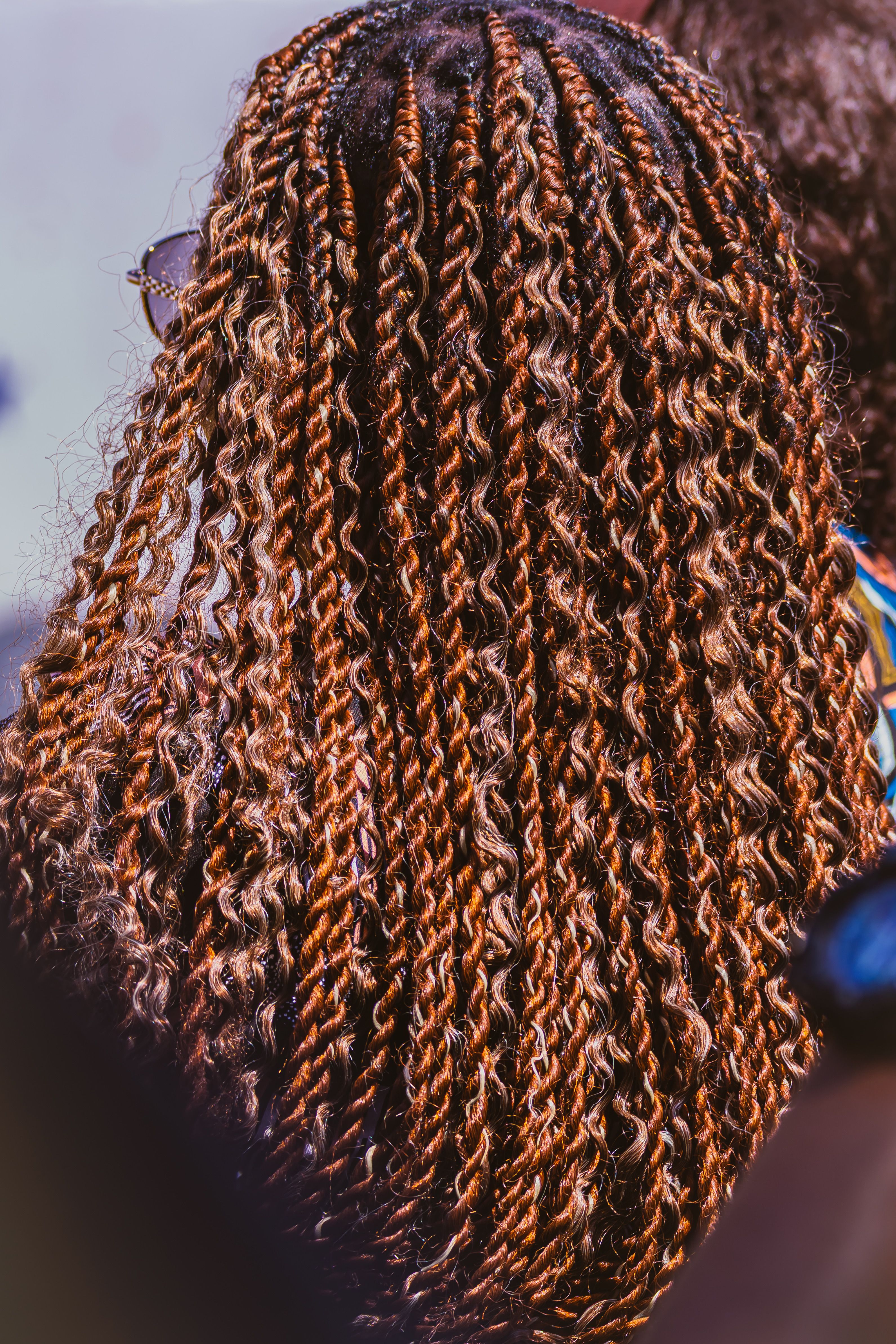
If you just left the chair with a fresh set of knotless braids, you are probably already wondering how long this style is going to hold up. It is one of the most common questions we hear at the studio, and the honest answer is that it depends on a handful of factors that are mostly within your control. This guide walks through a realistic timeline, what actually changes that timeline, and the aftercare routine that gets you the most days out of your investment.
The Short Answer: How Long Do Knotless Braids Last
Most clients get four to eight weeks out of a well installed set of knotless braids. Smaller braids with more tension points tend to hold their shape a little longer, often closer to the eight week mark, while larger, chunkier styles can start looking loose after five or six weeks simply because there is more visible new growth per braid. Your natural hair growth rate, how oily your scalp runs, and how consistently you protect the style at night all shift that window in either direction.
Eight weeks is close to the upper limit we recommend for most people. Past that point, the risk of matting near the root, product buildup, and unnecessary tension on your natural hair starts to outweigh the benefit of stretching the style further.
What Actually Determines Your Timeline
A few variables matter more than people expect.
Hair texture and density play a real role. Finer or looser textured hair tends to slip and frizz sooner than coarser, more tightly coiled hair, simply because the braid pattern has less to grip onto.
Braid size matters too. Small to medium knotless braids distribute tension across more points, so they generally hold longer than jumbo braids, even though jumbo styles install faster.
Scalp oil production is often the biggest factor nobody thinks about. If your scalp runs oily, new growth at the root will loosen the braid pattern faster than it will for someone with a drier scalp, regardless of how well the set was installed.
Activity level and sleep habits close out the list. Frequent swimming, heavy sweating from exercise, and sleeping without a satin or silk covering all add friction and moisture cycles that wear down a style faster than normal daily wear.
Week by Week: What to Expect
Weeks one and two are when the style looks its best. The braids are tight, the parts are crisp, and your scalp has fully settled from installation.
Weeks three and four bring the first real signs of new growth, usually a small amount of visible root at the part lines. This is completely normal and not a sign anything went wrong.
Weeks five and six are the point where most people start deciding whether to keep going or plan a takedown. New growth is more visible, and depending on your hair type you may notice more frizz at the edges and nape.
Weeks seven and eight are the outer edge of a healthy wear window for most people. If your braids are still comfortable and holding their shape, that is a good sign your prep and aftercare routine is working. If your scalp feels tight, itchy, or sore, that is your body telling you it is time for a break, not something to push through.
Signs It Is Time for a Refresh, or a Break
A few signals mean it is time to take the style down rather than stretch it further.
Persistent frizz along the length of the braid, especially near the ends, usually means the hair has started to unravel from repeated friction.
Visible buildup of dry shampoo, oils, or product residue near the scalp is both a hygiene issue and a sign your scalp needs to breathe.
The most important sign to watch for is pain. Braids should feel snug when they are first installed and should never cause ongoing headaches, tenderness, or small bumps along the hairline. Persistent tension at the root over weeks can lead to traction alopecia, a form of hair loss caused by sustained pulling on the hair follicle. The American Academy of Dermatology has a clear, well researched overview of how this happens and what the early warning signs look like. If you notice ongoing tenderness or small bald patches near your hairline, it is worth a conversation with your stylist and, if it persists, a dermatologist.
The Aftercare Routine That Stretches Your Style
Good aftercare is the single biggest lever you have over how long your braids last, and it does not take much time.
Sleep with a satin or silk bonnet or pillowcase every night. Cotton pulls moisture out of both your natural hair and the braiding hair, which speeds up frizz and dryness.

Moisturize your scalp two to three times a week with a lightweight oil or braid spray rather than a heavy pomade. A little goes a long way, and too much product is one of the most common causes of early buildup and itching.
Cleanse your scalp gently every one to two weeks using a diluted shampoo or a scalp scrub applied with a small applicator bottle. Skipping washes entirely for two months is one of the most common mistakes we see, and it usually leads to a shorter comfortable wear window, not a longer one.
Handle your edges carefully. If you like a sleek edge look, keep the gel light and avoid daily reapplication directly at the hairline, since repeated pulling and product buildup in that area is exactly where traction alopecia tends to start.
Protect your braids during workouts by tying them back loosely, and rinse and gently dry your scalp after heavy sweating rather than letting salt and moisture sit against the roots.
If Your Braids Are Not Lasting as Long as They Should
If you consistently find your braids looking rough well before the four week mark, a few things are worth troubleshooting rather than assuming it is just your hair type.
Installation tension matters. Braids that are installed too tightly at the root can actually loosen faster in some cases, because the added stress on the follicle causes more natural shedding than a comfortably snug install.
Hair prep before your appointment matters just as much as the aftercare afterward. Freshly washed, well moisturized, and properly detangled natural hair holds a braid pattern noticeably longer than hair that was rushed into the chair unprepped. Healthline's overview of protective hairstyles covers this preparation piece well if you want more detail on the science behind why protective styles work best on healthy, well prepped hair.
If you are doing everything right and still seeing an unusually short wear window, it is worth mentioning to your stylist at your next visit. Hair health can change over time due to hormones, medication, stress, or seasonal dryness, and adjusting the install technique or braiding hair type can often solve it.
Booking Your Next Set
Ani Braids specializes in knotless braids built to last, with an install process that starts with proper hair prep and a tension level that protects your edges from day one. Whether you are booking your first set or your fifth, we walk through sizing, length, and aftercare expectations before we ever pick up a strand.
Ready to get your next set on the calendar? You can book your appointment online in a few minutes, and we will confirm your preferred date and style details directly.
Frequently Asked Questions
How long do knotless braids last on average?
Most people get four to eight weeks out of a well installed set, with smaller braids and drier scalps generally landing on the longer end of that range.
Can I make my knotless braids last longer than eight weeks?
We do not recommend it. Past eight weeks, the risk of matting, buildup, and unnecessary tension on your natural hair starts to outweigh the benefit of stretching the style, even if the braids still look wearable.
Why do my braids frizz so much faster than my friend's?
Hair texture, braid size, and nighttime protection are usually the biggest differences. Finer or looser textured hair and larger braids both tend to frizz sooner, and sleeping without a satin bonnet or pillowcase speeds that up further.
Is it normal for my scalp to feel tight after getting braids?
Some initial snugness for the first day or two is normal. Ongoing pain, tenderness, or headaches are not, and are worth addressing with your stylist right away rather than waiting it out.
Do knotless braids damage your natural hair?
Installed and cared for properly, knotless braids are a protective style that reduces daily manipulation and can support hair growth. The risk of damage comes from excessive tension, wearing a style too long, or skipping scalp care, not from the style itself.
A good set of knotless braids should feel comfortable from day one and stay that way for weeks. If you take care of the install the way you would any other investment in your hair, you will get the full benefit of the style, both in how it looks and in how your natural hair holds up underneath it.