Hair Care & Aftercare · September 25, 2026
Are Your Braids Too Tight? Warning Signs of Traction Alopecia
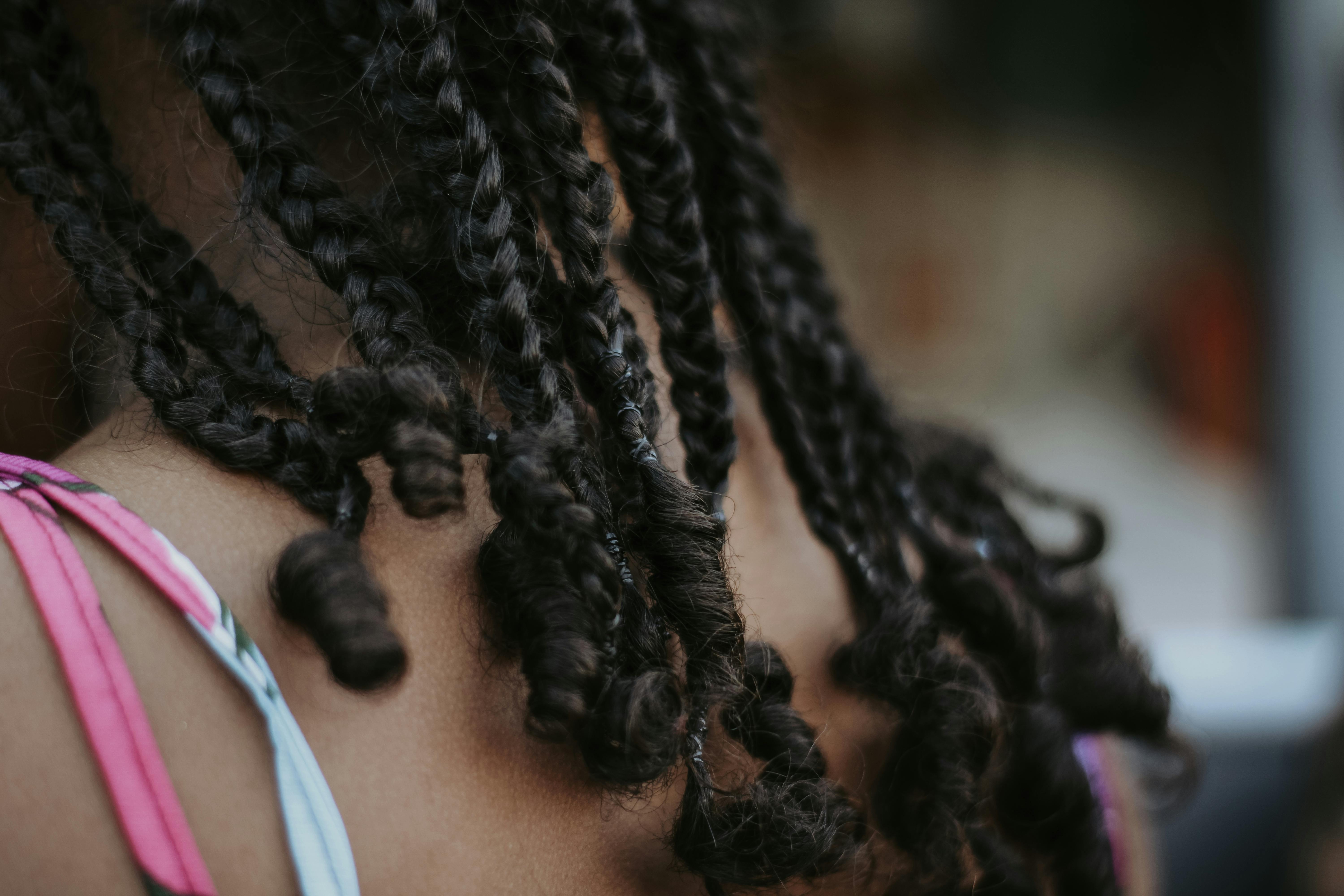
A little snugness on the day you get braids is normal. Ongoing pain, stinging, or small bumps along your hairline is not, and it is worth taking seriously rather than waiting out. This guide goes deeper into a topic we touched on briefly in our knotless braids timeline guide: traction alopecia, the specific, well documented condition caused by hairstyles that pull consistently on the hair follicle, including braids, cornrows, and tight ponytails. Knowing the real warning signs, not just "my scalp feels tight," is what actually protects your hairline over years of getting protective styles.
What Traction Alopecia Actually Is
Traction alopecia is hair loss caused by repeated or sustained pulling at the root, most often from a hairstyle rather than an isolated event. The American Academy of Dermatology is direct about the cause: tight hairstyles worn frequently over time, including ponytails, cornrows, and braids, put constant tension on hair follicles, and that constant pulling is what leads to hair loss. It is not about one uncomfortable appointment. It is about tension repeated across many appointments, often for years, before it becomes visible.
The AAD's guidance on hair loss in Black women frames this plainly as well: traction alopecia is "caused by hairstyles that constantly pull at and damage your hair over time," and dermatologists and stylists both have a role in preventing it, dermatologists through diagnosis and treatment, stylists through day to day styling choices that avoid adding unnecessary stress to the hair follicle.
The Real Early Warning Signs
This is the part most people get wrong. A lot of clients assume the only warning sign is a bald patch, but by the time hair loss is visible, the condition has usually been developing for a while. According to the AAD, the earlier, more useful signs to watch for include pain from tightly pulled hair, stinging on the scalp, crusts on the scalp, and tenting, which is when a section of the scalp is visibly pulled up like a tent by the braid or ponytail. Broken hairs around the forehead and a hairline that looks like it is gradually receding are also early indicators, often before any true patch of hair loss appears.
None of these signs are subtle once you know to look for them, but they are easy to dismiss as "just how braids feel" if nobody has ever explained what to actually watch for. Pain, stinging, and crusting are not part of a normal, well installed style. They are your scalp telling you something needs to change.
Why Catching It Early Actually Matters
The AAD is specific on this point, and it is worth repeating clearly rather than softening it: traction alopecia can become permanent the longer it goes untreated. In its early stages, when the pulling stops, hair generally has the chance to recover. If the same tension continues appointment after appointment, the AAD notes that people eventually reach a stage where hair growth stops entirely at the affected follicles, and at that stage the hair loss does not grow back. That is exactly why early signs matter so much more than a visible patch. A visible patch means the window for an easy fix may have already closed.
This is not meant to scare anyone away from braids or protective styles. It is meant to explain why "it will loosen up in a day or two" is the wrong response to real pain, stinging, or crusting, and why a quick conversation with your stylist at the first sign of a problem is a much smaller cost than waiting.
It Is Not Only an Edges Issue
Most conversations about traction alopecia focus on the front hairline, and for good reason since that is where the AAD's warning signs are most commonly discussed and most visible when you look in the mirror. But the underlying cause is tension itself, not a specific spot on your head. Any area that carries sustained pulling from a style, including along a center part, at the temples, or at the nape where a ponytail or the ends of braids are often gathered, can carry the same risk if the tension there is high enough for long enough. If you notice the same warning signs, pain, stinging, crusting, or tenting, anywhere other than your front hairline, they are worth the same attention rather than being dismissed because they are not in the spot most commonly pictured in articles about the condition.
What a Good Stylist Should Be Doing About This
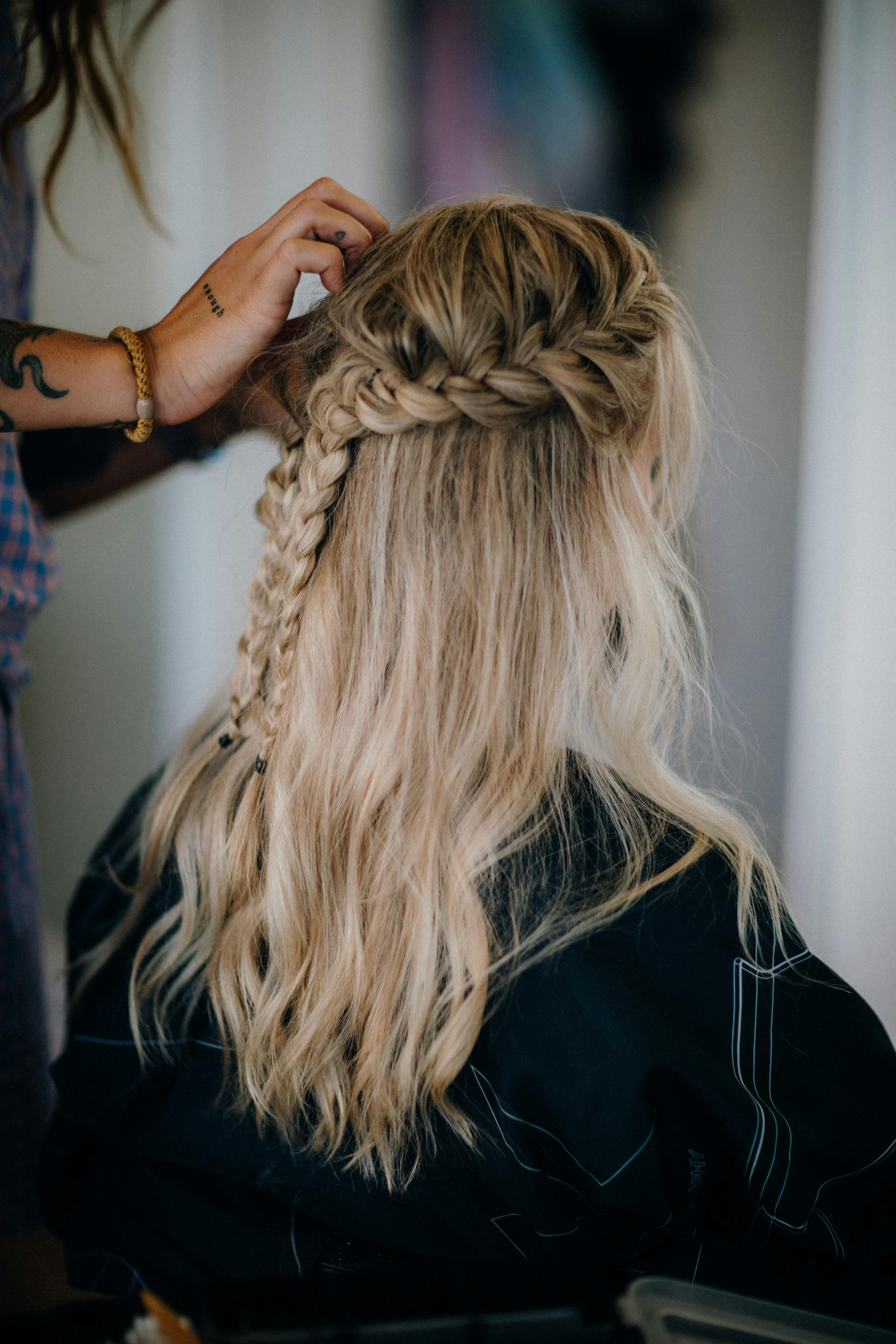
Tension is a technique choice, not an unavoidable side effect of braiding. At Ani Braids, tension is checked throughout the install, not just at the start, specifically so any part that feels too tight can be adjusted before you ever leave the chair. Braid size and placement right at the hairline matter too. Smaller, tighter braids concentrated right along the edges are exactly where the AAD's guidance points to the most risk, so a stylist who is thoughtful about hairline tension, and willing to size up or reposition a part when asked, is actively reducing your risk, not just making the style comfortable for the day.
What You Can Do Between Appointments
A few habits meaningfully lower your own risk over time, on top of choosing a stylist who takes tension seriously.
Keep any one tight style to the AAD's recommended window of no longer than six to eight weeks, and alternate styles rather than moving straight from one tight protective style into another with no break in between. Giving your hairline a real rest period matters more than most people realize.
Pay attention to your edges specifically, since that is where traction alopecia most often starts. If you like a sleek edge look, keep gel light and avoid pulling and reapplying product at the hairline daily, since repeated tension and product buildup in that exact spot is a common early contributor.
Speak up during your appointment, not after. If a section feels like more than snug pressure, especially right at your hairline, temples, or nape, say something before your stylist moves on. Adjusting mid-install takes a minute. Living with unnecessary tension for six to eight weeks does not fix itself.
Vary where the tension sits over time, not just how tight it is. Wearing the exact same part pattern and gathering point appointment after appointment concentrates repeated stress on the same follicles. Rotating your part, your style, or even just which direction your edges are laid gives any one area a real break rather than compounding the same pull for months on end.
When to See a Dermatologist
If you notice ongoing pain, stinging, crusting, or a hairline that looks like it is gradually thinning or receding, that is worth a dermatologist's evaluation, not just a wait and see approach. A dermatologist can assess whether what you are seeing is early traction alopecia or something else entirely, and catching it early is squarely within the stage where recovery is still realistic. Your stylist can adjust technique going forward, but diagnosing and treating hair loss itself is a dermatologist's role, not a hairstylist's, and the two are meant to work together rather than substitute for each other.
Booking With Tension in Mind
If you are choosing your next protective style, this is exactly the kind of thing worth asking about before you book anywhere. Our knotless braids are installed with the feed-in technique, which distributes tension more gradually than some traditional methods, and tension is checked throughout your appointment rather than assumed to be fine once the first braid is in. If you have had a rough experience with tight braids before, mention it when you book so your stylist can plan accordingly from the very first part.
Ready to book a style that puts your hairline first? You can book your appointment online in a few minutes, and we are always happy to talk through tension, sizing, or timing questions before you commit to a date.
Frequently Asked Questions
Is some tightness normal when I first get braids?
Some initial snugness in the first day or two is normal. Ongoing pain, stinging, or crusting is not, and should be addressed with your stylist right away rather than waited out.
What are the earliest warning signs of traction alopecia?
According to the American Academy of Dermatology, early signs include pain from tightly pulled hair, stinging on the scalp, crusts on the scalp, tenting where the scalp is visibly pulled up, broken hairs around the forehead, and a hairline that appears to be gradually receding.
Can traction alopecia be reversed?
In its early stages, yes, hair generally has the chance to recover once the tension stops. The AAD notes that the longer it goes untreated, the more likely it is to become permanent, which is exactly why catching the early signs matters.
Does this mean I should stop getting braids?
Not necessarily. It means paying attention to tension, keeping any one style to six to eight weeks or less, alternating styles, and speaking up during your appointment if something feels like more than snug pressure.
Who should I talk to if I think I have early signs?
Mention it to your stylist so technique and placement can be adjusted going forward, and see a dermatologist for an actual evaluation if you notice ongoing pain, stinging, crusting, or a changing hairline. The two roles work together rather than replace each other.
Braids should look great and feel comfortable at the same time, not one at the expense of the other. Knowing the real signs, rather than guessing at what counts as normal, is what lets you enjoy protective styles for years without quietly risking your hairline along the way.